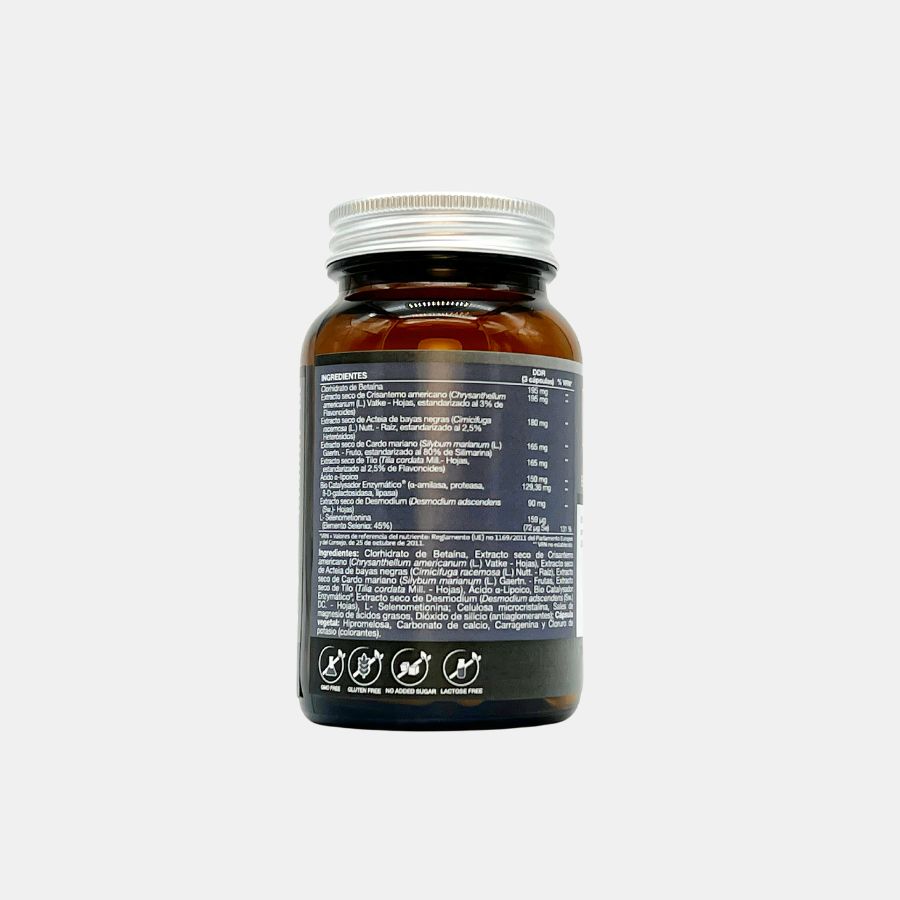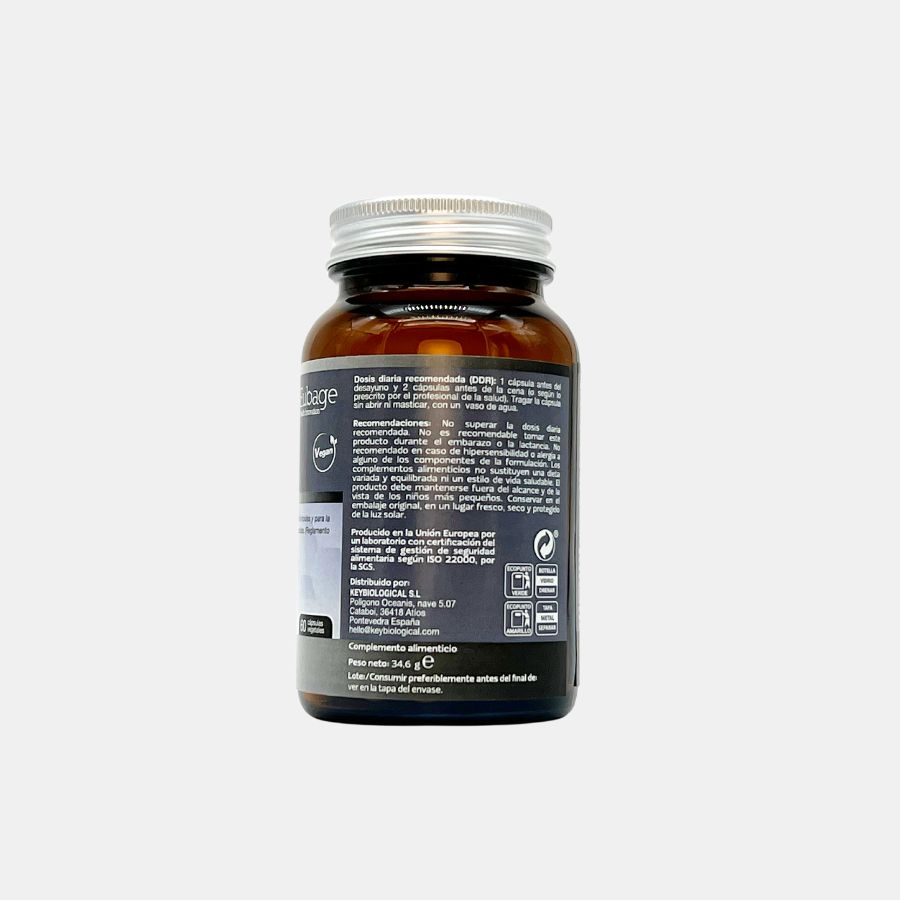



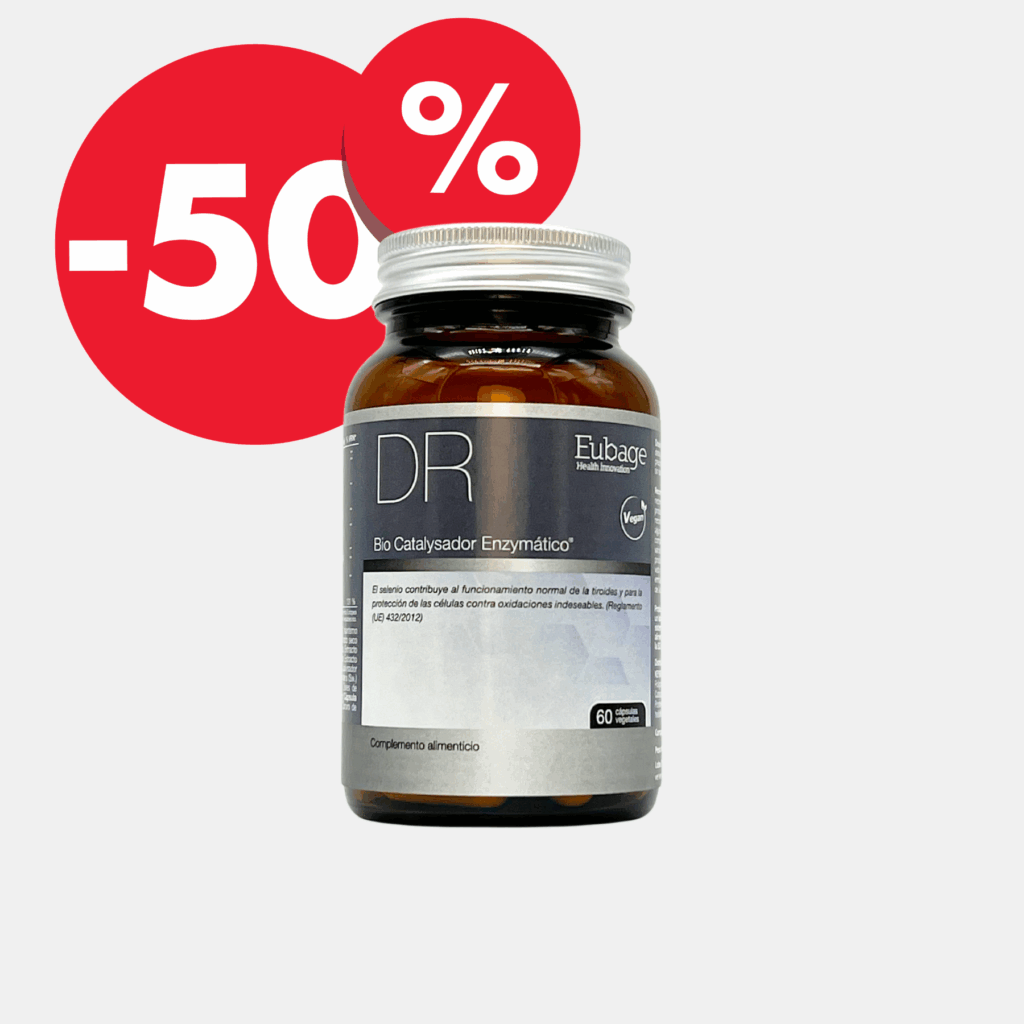
Betaine hydrochloride is lipotropic and hepatoprotective, hindering lipid deposits. It reduces the level of homocysteine in the blood, which is a residue of amino acid metabolism that is directly involved in arteriosclerosis and osteoporosis.
The flavonoids of the American Chrysanthemum (Crysantellum americanum) improve peripheral venous circulation and intervene in the balance of lipid metabolism. They increase the resistance of capillary vessels. They stimulate biliary and digestive secretion. They facilitate the elimination of gallstones of any origin. They dynamize the emulsion of fats, such as triglycerides and cholesterol, eliminating bad cholesterol (LDL and vLDL). They act as a purifier and hepatoprotector.
The Heterosides of Blackthorn (Cimicifuga racemosa) from the rhizome – root of blackthorn (Actaea racemosa = Cimicifuga racemosa). The natural raw material must have a minimum of 1% triterpene glycosides, expressed as monoammonium glycyrrhizate in relation to the mass of the dried rhizome – root. These triterpene glycosides are derived from cycloartane (saponosides). Among the effects of these glycosides, it is worth highlighting the benefits on menopausal or climacteric symptoms: hot flashes, profuse sweating, sleep disorders and nervous irritability. In addition to its beneficial effect on renal and intestinal drainage, it is an indispensable complement in all detoxification processes.
Silymarins, composed mainly of silybin, silicristin and silidianin from Milk Thistle (Silybum marianum), are very effective in treating inflammation of the bile ducts (activating the flow of bile synthesized in the liver until it enters the duodenum). Silymarin participates in detoxification and acts against fatty deposits, due to its protective and healing properties against liver damage. It helps stabilize liver cell membranes and stimulates the synthesis of liver proteins that lead to the production of new hepatocytes, regenerating liver tissue. It exerts a hepatoprotective effect against various toxic substances (alcohol, paracetamol, etc.), reducing the rate of GOT and GPT and bilirubin.
The flavonoids expressed in vitexin from Tilia (Tilia cordata) have remarkable toxin drainage properties. It is extremely useful for the urinary tract. They act as a powerful uric acid solvent, very important in cases of cholecystitis due to lithiasis. It is an excellent drainer of the biliary and urinary tract. It acts as an antispasmodic, especially in the spasm of the sphincter of Oddi.
Alpha-lipoic acid acts as an analeptic by participating in the enzymatic process of converting sugars and fats into energy (production of ATP). Alpha-lipoic acid improves the body’s purification.
The saponins induced by the indole alkaloids of Desmodium (Desmodium adscendens) promote metabolic work protectors and limit the hepatic toxicity induced by carbon tetrachloride. They act positively on the evolution of the transaminase rate.
Organic Selenium (L-Selenomethionine) is essential for the proper functioning of the hepatic filter and protects cells from damage caused by the oxidation of free radicals.
 Payment for your purchases is made through secure payment gateways which, depending on your selection, connect directly to your bank or PayPal account. All transactions are carried out under secure encrypted protocols and are protected by the entities through their own purchase validation systems. For security reasons, KeyBiological does not manage or store any of your bank card details.